
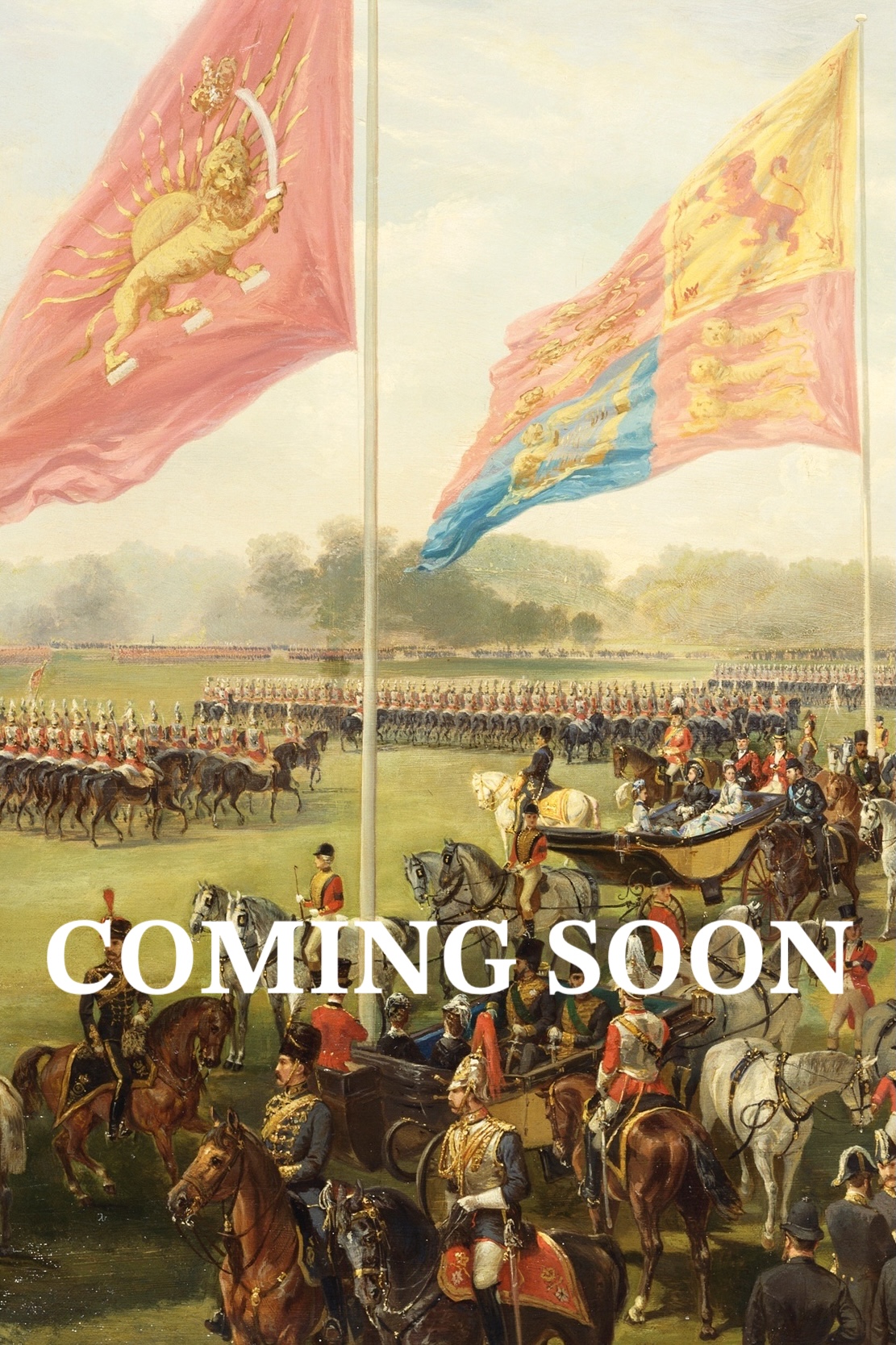
THE SHAH’S GREAT TOUR: GLOBAL MONARCHY IN THE IMPERIAL AGE
Description
At the height of the imperial age, the shahs of Persia regularly embarked on grand royal journeys, roaming the courtly world from the Ottoman empire to the shores of Scotland. Causing excitement wherever they appeared, the monarchs and their entourages were received with great pomp in the capitals of Europe—St. Petersburg, London, Paris, Berlin, Vienna, Brussels, The Hague, Rome, Constantinople, and beyond.
Offering a groundbreaking reinterpretation of relations between non-European and European rulers in the age of empire, the book shows that royal visits provided the guests a way of integrating themselves and their countries into an international order dominated by Europe’s great powers. The shahs’ participation in the rituals of state visits—such as gift-giving, the exchange of orders, and military spectacle—gave expression to their dynastic legitimacy and their country’s sovereignty.
David Motadel draws a sweeping panorama of fin-de-siècle Europe, as seen from the outside, tracing the shahs’ encounters with monarchs and ministers, magnates and merchants, priests and prostitutes, revolutionaries and assassins. Their royal tours also inspired the writings of some of the era’s greatest authors, from Anton Chekhov to Mark Twain.
The result of decades of research, The Shah’s Great Tour is based on a wealth of documents unearthed in more than fifty archives across fifteen countries, including the Persian travelogues of the shahs. A monumental feat of scholarship, it sheds light on the glittering world of monarchs in the age of empire.
Reviews
‘A book of exceptional range, erudition, originality and brilliance, which puts global monarchies at the epicentre of the age of high imperialism, and does so with such conviction and authority that it beggars belief no one has ever done this before. A major work by a major historian.’
— David Cannadine, Princeton University
‘Drawing on materials from more than fifty archives and on other primary sources, Motadel’s brilliant study renders fresh insights into Iran as a sovereign state in the age of high imperialism. It shows why European states, and their publics, were eager to host Persian royals: strategic competitions, monarchical solidarity in the face of revolutionary dissent, seeking an exotic Orient, and the desire to showcase Europe’s material advances. This book is destined to become a classic in the modern sociopolitical history of Europe and Iran.’
— Abbas Amanat, Yale University
‘The grandest of the many grand tours made by non-European rulers in the age of empire were those of Naser and Mozaffar al-Din Shah of Persia. This masterly reconstruction on a pan-Europe scale shows the wide public impact of monarchical politics. Artfully recounted and subtle in argument, this is a major feat of scholarship.’
— Nile Green, UCLA
‘In this meticulously and richly documented work, David Motadel takes us back to an era when much of the world, including Iran, Russia, and the United Kingdom, was ruled by monarchs. From our contemporary vantage point, this well-written and important study about nineteenth-century Iran and Europe raises crucial questions about the politics of empires and how the ambitions of these vanished crowns continue to tint today’s geopolitical landscape. By revisiting these forgotten courts, the author reveals that the ‘new’ world order rests upon the skeletal frameworks of the past. Diplomacy, then as now, depended on personal encounters and was often shaped by the select few behind closed doors.’
— Firoozeh Kashani-Sabet, University of Oxford
‘Based on years of research in a vast array of archives, David Motadel tells the epic story of the royal visits of two Persian shahs to imperial Europe, accompanying them to banquets, military parades and universal exhibitions as well as into the demi-monde. An experienced global historian, he explains why Persia managed to retain its sovereignty, how cultural differences were negotiated in an emerging sphere of global royalty, and why European publics were gripped by shah mania. The book sets new standards for the cultural history of diplomacy.’
— Jürgen Osterhammel, University of Konstanz